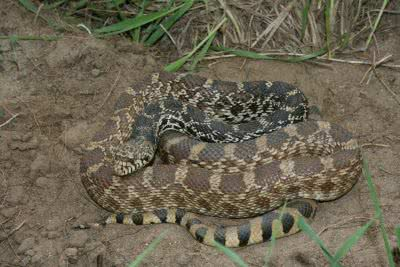
Can Kan (Old Tree in Lakota) sat upon the granite shelf of the Black Hills, his knees creaking like frozen boughs. For seventy winters, he had been a man of movement. Now, the stillness felt like a weight, and the constant ache in his bones felt like a betrayal.
A rustle in the dry buffalo grass revealed Zuzéca, the bull snake. In the old stories, Zuzéca was the clever deceiver, the one who lured the unwary into the tall grass. But as Can Kan watched, the snake began to scrape its head against a sharp stone. Its eyes were milky, its scales dull and grey. It looked exhausted, trapped in a body that had grown too small.
“We are the same, brother,” Can Kan murmured. “Both of us tired of this old skin.”
The snake did not stop. It pushed with a slow, agonizing persistence against the rock’s edge. The friction looked brutal – a self-inflicted struggle. Then, with a sudden, fluid heave, the old husk split. Zuzéca slid forward, leaving behind a hollow, papery ghost. The snake beneath was vibrant, its scales gleaming like polished obsidian.
Can Kan looked at his own gnarled hands. He realized then that his pain wasn’t the sound of breaking; it was the tension of growing. Like the Great Snake that holds the world together in the ancient tales, his stillness required a holy kind of strength. The ache was simply the friction of shedding the man of yesterday to become the ancestor of tomorrow.
It was not the pain of the end, but the worthy pain of the wait. He breathed in the scent of pine and settled deeper into the stone. The new skin was almost ready.
Can Kan (Stare Drzewo) siedział na granitowej półce w Górach Czarnych, a jego kolana trzeszczały niczym przemarznięte konary. Przez siedemdziesiąt zim był człowiekiem czynu. Teraz bezruch ciążył mu niczym brzemię, a nieustanny ból w kościach wydawał się zdradą.
Szmer w suchej trawie preriowej zdradził obecność Zuzéca – węża byczego. W dawnych opowieściach Zuzéca był sprytnym oszustem, kimś, kto wabił nieostrożnych w wysoką trawę. Lecz gdy Can Kan patrzył, wąż zaczął ocierać głowę o ostry kamień. Jego oczy były mętne, a łuski matowe i szare. Wyglądał na wyczerpanego, uwięzionego w ciele, które stało się zbyt ciasne.
– Jesteśmy tacy sami, bracie – mruknął Can Kan – Obaj zmęczeni tą starą skórą.
Wąż nie przestawał. Z powolnym, bolesnym uporem napierał na krawędź skały. Tarcie wyglądało na brutalne – była to walka z samym sobą. Nagle, po gwałtownym, płynnym skurczu, stara powłoka pękła. Zuzéca wysunął się naprzód, zostawiając za sobą pusty, papierowy cień. Wąż pod spodem był pełen życia, a jego łuski lśniły niczym polerowany obsydian.
Can Kan spojrzał na swoje sękate dłonie. Zrozumiał wtedy, że jego ból nie był odgłosem pękania; był napięciem towarzyszącym wzrastaniu. Niczym Wielki Wąż, który w dawnych podaniach spaja świat w całości, jego bezruch wymagał świętego rodzaju siły. Ów ból był po prostu tarciem towarzyszącym zrzucaniu człowieka z wczoraj, by stać się przodkiem jutra.
To nie był ból końca, lecz godny ból oczekiwania. Wciągnął w płuca zapach sosny i usadowił się głębiej na kamieniu. Nowa skóra była już niemal gotowa.
 Gustaw Fit Blog
Leave a comment